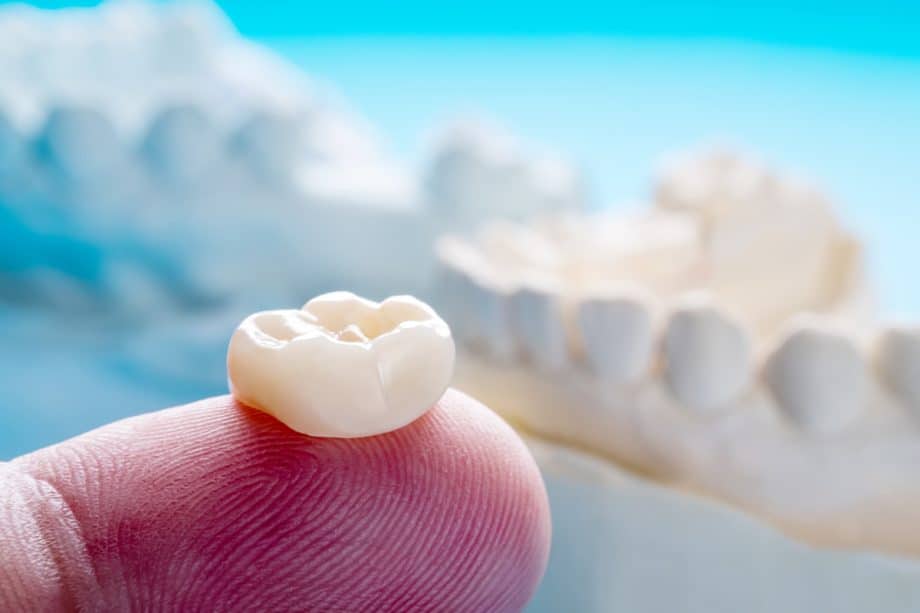
A dental crown protects a damaged or weakened tooth and restores its shape, strength, and function. Crowns last many years when you care for them well, but no crown lasts forever. Over time, normal wear, changes in your gums, and everyday chewing forces can affect how well a crown performs. Knowing the warning signs helps you act before a small issue grows into a larger problem.
In this article, we walk you through the most common signs of a worn or failing crown. You will learn what to watch for, why each sign matters, and when to call your dentist. We cover three areas: physical damage and discomfort, changes in fit and appearance, and the role of age and routine wear.
Physical Damage and Discomfort Signal a Problem
Pain and visible damage are the clearest signs that a crown needs attention. A crown should feel comfortable and function like a natural tooth, so any persistent discomfort deserves a closer look. When a crown chips, cracks, or loosens, the tooth underneath loses its protection and becomes vulnerable to decay or infection. Acting early protects both the crown and the tooth it covers.
Watch for these warning signs of physical trouble:
- Persistent pain or sensitivity near the crowned tooth, especially with hot, cold, or sweet foods
- A chip, crack, or fracture in the crown material
- A loose or shifting feeling when you bite or chew
- Swelling, tenderness, or a bad taste around the gumline, which can point to decay beneath the crown
If you notice any of these signs, schedule a dental visit promptly. Early treatment prevents a minor repair from becoming a more involved procedure.
Changes in Fit and Appearance Reveal Wear
A crown that no longer fits or looks right often needs replacement. Crowns are crafted to match your bite and blend with your surrounding teeth, so visible changes signal that the restoration is breaking down. A poor fit can trap food and bacteria along the margin — where the crown meets the tooth — raising the risk of decay. Cosmetic changes, while less urgent, also affect your confidence and comfort.
Look for the following changes in fit and appearance:
- A visible dark line at the gumline, common with older crowns that have a metal base
- Gum recession that exposes the edge of the crown or the tooth root
- A rough or uneven surface you can feel with your tongue
- Discoloration or staining that makes the crown stand out from nearby teeth
- Food regularly gets caught between the crown and an adjacent tooth
If your crown looks or feels different from how it once did, your dentist can examine the margin and determine whether a replacement will help keep your smile healthy and consistent.
Age and Everyday Wear Add Up Over Time
Even a well-maintained crown wears down after years of daily use. Chewing, grinding, and clenching place steady pressure on the restoration, and the material gradually thins or weakens. Most crowns last between 5 and 15 years, though many remain in good condition longer with proper care and regular checkups. Your dentist monitors the condition of each crown during routine exams and lets you know when wear reaches a level that warrants action.
Several habits and conditions speed up crown wear, including:
- Teeth grinding or clenching, often called bruxism, which stresses the crown surface
- Chewing hard foods or ice, which can crack or chip the material
- Poor oral hygiene, which allows decay to form at the crown margin
- Skipping dental visits, which delays the detection of early wear
A simple way to stay ahead of wear is to keep regular checkups and mention any changes you notice. Our team checks the fit, surface, and surrounding gum tissue at each visit, so you receive clear guidance on when a crown has reached the end of its service.
Protecting Your Smile Starts With Awareness
A crown does its job quietly for years, so it helps to know the signs that it needs replacing. Pain or damage, changes in fit or appearance, and the steady effects of age and wear all point to a crown that needs attention. When you catch these signals early, you protect the tooth underneath and avoid more complex treatment later. The next step is simple: review the signs above, watch for changes, and schedule a checkup if anything feels off. Our team is ready to examine your crown and recommend the right care to keep your smile strong and comfortable.
Frequently Asked Questions About Restorative Dentistry
How long does a dental crown usually last?
Most dental crowns last between 5 and 15 years. The exact lifespan depends on the crown material, your oral hygiene, your bite, and habits such as grinding or chewing hard objects. Regular dental visits help your dentist monitor the crown and plan for any needed care.
What is restorative dentistry?
Restorative dentistry focuses on repairing or replacing damaged and missing teeth to restore function and health. Treatments include fillings, crowns, bridges, and dental implants. You can learn more about our restorative dentistry services and how they support a healthy, functional smile.
Does replacing a crown hurt?
Replacing a crown is generally comfortable. Your dentist numbs the area before removing the old crown and preparing the tooth, so you stay comfortable throughout the procedure. You may feel mild sensitivity afterward, which typically fades within a few days. Your dental team reviews aftercare steps, so you know what to expect during recovery.
Can a crown protect a tooth from further decay?
A crown covers and protects the visible portion of a tooth, which lowers the risk of further damage. Decay can still form at the margin where the crown meets the tooth, particularly when oral hygiene slips. Brushing, flossing, and routine checkups help keep the area clean and the crown secure.
When should I see a dentist about my crown?
Schedule a visit if you notice pain, sensitivity, a chip or crack, a loose feeling, or changes in how the crown fits or looks. Early evaluation often prevents a small problem from becoming a larger one. Routine checkups also give your dentist the chance to spot wear before symptoms appear.
At Suwanee Family Dentistry, we provide comprehensive dental care for families, individuals, and patients of all ages throughout the Suwanee community. Our team combines skilled care, modern technology, and genuine attention to help you maintain a healthy, confident smile. To schedule a checkup or learn more about your treatment options, reach out to us today.