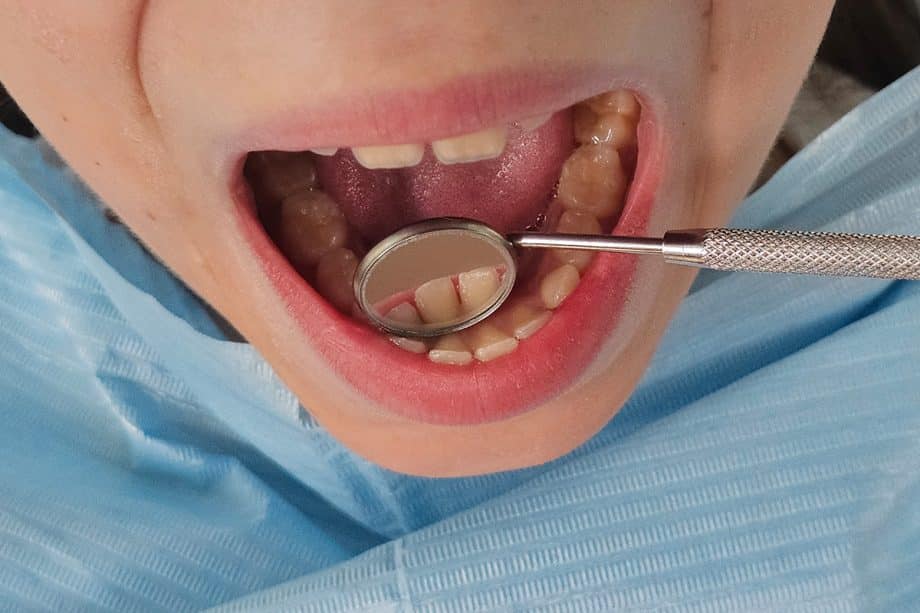
Few things worry our patients more than hearing a dentist mention the word "extraction." We understand that feeling. Your natural teeth help you eat, speak, and smile, and we always look for ways to keep them healthy for as long as possible. Still, some teeth reach a point where removing them protects your comfort and your oral health better than any repair could.
So how do we make that call? We follow a careful process that combines your symptoms, a hands-on exam, and dental imaging. Below, we walk you through how we assess a troubled tooth, when restorative care can save it, and when we recommend removal instead.
How We Evaluate the Damage to a Tooth
Every decision starts with a thorough look at the tooth and the surrounding tissues. We begin by asking about your symptoms—pain, sensitivity to hot or cold, swelling, or discomfort when you bite. Then we examine the tooth closely and use dental instruments to check for soft spots, cracks, and failing fillings.
What We Look for During an Exam
- Extent of decay: We check how deep the decay reaches and whether it has moved toward the pulp—the soft tissue at the center of the tooth that contains nerves and blood vessels.
- Remaining tooth structure: We gauge how much healthy enamel and dentin remain to support a repair.
- Cracks and fractures: We identify where a crack starts and how far it travels into the tooth.
- Gum and bone health: We examine the gums around the tooth and test for looseness.
The Role of Dental X-Rays
X-rays show us what our eyes alone cannot see. Digital images reveal decay between teeth, root condition, signs of infection near the root tip, and the bone level supporting each tooth. Together, the clinical exam and imaging tell us whether the tooth still has a solid foundation to build on.
When Restorative Treatment Can Save a Tooth
Whenever a tooth retains enough healthy structure, we lean toward saving it. Restorative dentistry gives us several options, and we match the treatment to the severity of the problem.
Common Ways We Save Damaged Teeth
- Fillings: Decay causes permanent damage, so a filling replaces the lost structure and seals the tooth. Fillings work well when decay hasn't reached the pulp and has not compromised the strength of the tooth.
- Crowns: A crown covers and protects a tooth that has lost too much structure for a filling to hold up. Our practice offers traditional lab-made crowns and same-day CEREC crowns.
- Root canal therapy: When decay or infection reaches the pulp, a root canal lets us remove the infected tissue while keeping the outer tooth intact. Many teeth that need a root canal also receive a crown afterward for added strength and protection.
When Repair Is No Longer Possible
Every restoration needs something solid to hold onto. When decay or damage destroys so much of a tooth that a filling or crown has nothing stable to grip, the tooth can't support a lasting repair. In those cases, we discuss tooth extractions as the more predictable path forward, along with a plan to replace the missing tooth.
Other Factors That Lead Us to Recommend Removal
Decay isn't the only reason a tooth may need to come out. Several other conditions can make removal the healthiest choice:
- Severe infection: Bacteria can enter through a deep cavity or a large break and infect the pulp. When an abscess forms and treatment can't clear the infection—or the tooth lacks enough structure to restore—removal eliminates the source of pain and protects nearby teeth.
- Advanced gum disease and bone loss: Gum disease breaks down the bone and tissue that anchor a tooth. Once a tooth loses too much support and becomes loose, it may not remain stable even after treatment.
- Fractures below the gum line: A crack or break that extends deep into the root often leaves too little to repair reliably.
- Impacted teeth: A tooth that fails to break through the gum—most often a wisdom tooth—can cause pain, crowding, or infection that requires removal.
- Crowding and orthodontic needs: We sometimes remove healthy teeth to create space when severe crowding leaves too little room for proper alignment.
- Preparing for dentures: Some patients need several or all remaining teeth removed before we fit them for dentures.
We also plan differently for children and adults. When we remove a baby tooth before it falls out naturally, we may place a space maintainer to hold room for the permanent tooth. For adults, we recommend replacing a permanent tooth with a bridge, dental implant, or denture soon after removal to keep the remaining teeth properly aligned.
Saving Your Smile Starts With an Honest Evaluation
Our goal is always to protect your long-term oral health. We save natural teeth whenever we can, and we recommend removal only when keeping a tooth would cause more harm than good. Regular checkups give us the best chance to catch decay, cracks, and gum problems early—while simpler treatments can still work. If a tooth has started to hurt or feel different, schedule a visit so we can examine it, explain what we find, and help you choose the right path forward.
Frequently Asked Questions About Tooth Extractions
Does getting a tooth pulled hurt?
We numb the area with local anesthesia so that you won't feel pain during the procedure. We also offer sedation for anxious patients. Over-the-counter pain medicine usually manages any soreness once the anesthesia wears off.
How long does a tooth extraction take?
Removing a single tooth typically takes less than an hour. Multiple extractions take longer, and we can give you a more precise time estimate after we evaluate your situation.
What should I eat after an extraction?
Stick with soft foods for the first 24 to 48 hours. Avoid hot, spicy, or carbonated foods and drinks, and skip straws entirely—the suction can dislodge the blood clot and cause dry socket.
Do I need to replace a tooth after it comes out?
For a permanent tooth, yes. A replacement—such as a bridge, dental implant, or denture—keeps your remaining teeth aligned and protects your oral health. The sooner you replace the tooth, the better.
Can a root canal save my tooth instead of an extraction?
Often, yes. When infection has reached the pulp but the tooth still has enough healthy structure and bone support, a root canal removes the infected tissue and preserves the tooth. We recommend extraction when the damage leaves too little remaining structure to restore.
At Suwanee Family Dentistry, we provide award-winning, patient-focused care for patients of all ages in Suwanee, GA. Our team covers everything from routine cleanings to crowns, implants, and emergency care—all delivered with personal attention and modern technology. To schedule a visit or ask a question, reach out today.