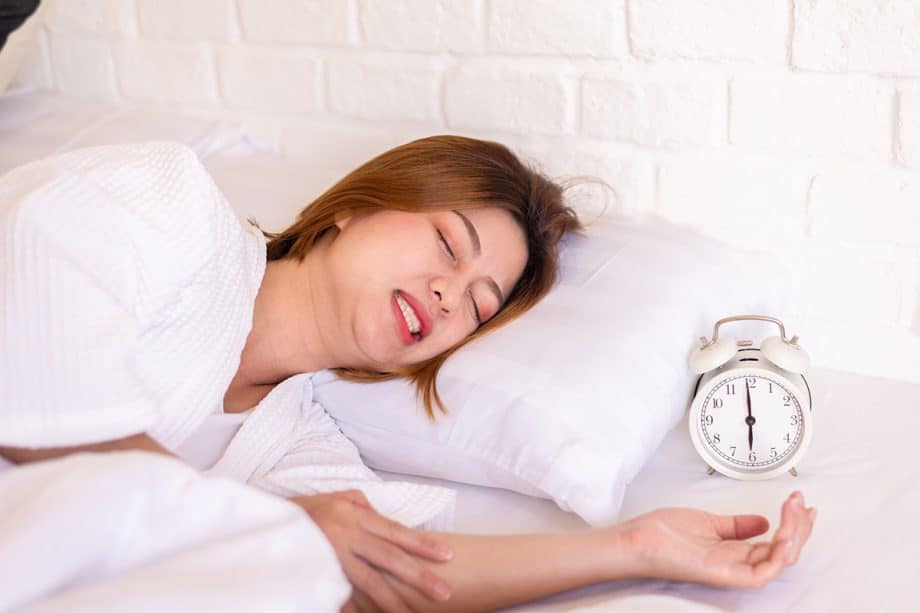
A sore jaw, a dull morning headache, or teeth that suddenly feel sensitive — these are signs many people brush off. But if they greet you regularly, nighttime teeth grinding could be the cause. Dentists call it bruxism, and it ranks among the most common sleep-related dental problems adults deal with. The catch: most people have no idea it is happening. Every night without protection, grinding chips away at your enamel, stressing your jaw, and moving you closer to damage that is far harder to reverse than to prevent. A custom oral appliance can stop that cycle before it goes too far.
At Suwanee Family Dentistry, we fit custom oral appliances directly to your teeth so you get protection that holds up night after night. An appliance built from impressions of your own mouth sits securely, feels comfortable, and does the one job that matters most — keeping your teeth from grinding against each other while you sleep. Below, we walk you through how these appliances work, why a precise fit leaves store-bought guards behind, and how wearing one each night can ease the jaw pain that bruxism tends to bring.
What Nighttime Grinding Does to Your Teeth
Bruxism forces your teeth to grind against each other for hours every night while you sleep. Because it happens while you are unconscious, you have no way to stop it in the moment — and the damage stacks up whether you notice it or not. Night after night, that relentless pressure erodes your enamel, the hard outer layer that shields each tooth from decay and temperature. Over time, it can also crack teeth, chip edges, and trigger sensitivity that makes eating and drinking genuinely uncomfortable.
Bruxism often goes undetected for months — or even years. You rarely feel it while it happens, but the evidence shows up clearly at your next dental exam. Your dentist can identify worn edges, hairline cracks, and heightened sensitivity that point directly to grinding. Sometimes a sleep partner hears it before you ever suspect a thing. Spotting these signs early gives you a real window to act—before the damage deepens and repairs become far more involved.
How a Custom Nightguard Protects Your Teeth
Your custom nightguard sits over your teeth and acts as a buffer between your upper and lower arches while you sleep. Instead of grinding enamel against enamel, your teeth press against a durable, fitted guard that takes the force. That shift protects your enamel from wear, lowers the risk of cracks, and spreads the pressure that would otherwise concentrate on a handful of contact points — cutting down the cumulative damage that months and years of uninterrupted grinding inflict.
A custom nightguard also takes pressure off your jaw. That reduction in force can prevent TMJ disorder from developing — a condition that brings clicking, popping, and restricted jaw movement when left alone. One appliance, worn each night, shields your teeth and gives your jaw a genuine chance to recover.
Why a Custom Fit Beats a Store-Bought Guard
Store-bought guards are easy to find and cheaper at checkout. But the savings come with a real drawback: fit. These guards follow a generic mold, not the actual contours of your teeth, so gaps and pressure points are common. A guard that shifts around or feels bulky in your mouth is a guard you will pull out at 2 a.m. — and many people do exactly that, abandoning their store-bought option within the first few weeks because restful sleep wins out over uncomfortable protection.
Each custom oral appliance starts with impressions of your own teeth, so the finished product matches your mouth — not a generic average of everyone else's. That precise fit means you get a guard that stays in place, feels natural, and actually protects the teeth it covers. We also use materials that outlast the thin plastic found in most retail guards, so your appliance holds up with proper care. A guard that fits well is a guard you wear every night — and wearing it every night is what keeps your teeth safe.
Protect Your Smile Before the Damage Adds Up
Nighttime grinding works quietly — and that is exactly what makes it so damaging. By the time worn teeth or a sore jaw catches your attention, the harm is already done. Fixing cracked or heavily worn teeth costs far more time and money than a nightguard ever will. At Suwanee Family Dentistry, we fit custom nightguards that protect your enamel, take the strain off your jaw, and give you a noticeably more comfortable morning.
If you wake up with jaw pain, grind your teeth at night, or someone has told you that you clench while you sleep, bring it up at your next visit. We can walk you through your options and fit you with an appliance built specifically for your mouth.
Frequently Asked Questions About Custom Oral Appliances
How do I know if I grind my teeth at night?
Bruxism happens while you sleep, so most people have no idea they grind until a dentist points it out. Watch for morning headaches, a sore or stiff jaw, increased tooth sensitivity, and teeth that look worn or chipped along the edges. Your dentist can identify the signs of grinding during a routine exam — often before you notice any discomfort yourself.
Is a custom nightguard worth the cost?
Store-bought guards cost less up front, but the trade-off is fit. Generic molds rarely match the exact contours of your teeth, which means more shifting, more bulk, and less protection where you actually need it. A custom nightguard starts with impressions of your own mouth, so it sits securely, feels natural, and stays in place through the night. That comfort keeps you wearing it consistently — and consistent use protects your teeth over the long term.
Can a nightguard help with jaw pain?
Yes. When you grind or clench your teeth, your jaw muscles absorb significant force for hours at a stretch. A custom nightguard intercepts that force before it reaches your jaw joint, which takes the strain off the surrounding muscles and reduces the aching stiffness you feel in the morning. Used consistently, a well-fitted nightguard can also prevent TMJ disorder from developing—a condition that brings clicking, locking, and chronic jaw discomfort when left unaddressed.
Can I wear a custom oral appliance if I have dental work like crowns or implants?
In most cases, yes. Your dentist will review your existing crowns, implants, or other restorations before taking impressions, checking that the finished appliance fits accurately and distributes pressure evenly across your teeth. Existing dental work rarely disqualifies you — it just gives your dentist a few extra details to account for when designing the fit.
How do I care for and clean my custom oral appliance?
As soon as you remove your appliance each morning, rinse it under cool water. Use a soft toothbrush to clean the surface, but skip the toothpaste — its abrasive particles scratch the material and shorten the appliance's lifespan. Keep it in the ventilated case your dentist provides to protect it during the day. Bring it to every dental appointment so your dentist can check the fit, spot any wear, and make adjustments before small issues become bigger ones.
Suwanee Family Dentistry is an award-winning dental practice rooted in Suwanee, GA, proudly serving families across Gwinnett County. We help our patients keep their natural teeth for life—and a properly fitted custom oral appliance is one of the most straightforward ways we do that. Ready to take the next step? Reach out, and we'll get you started.