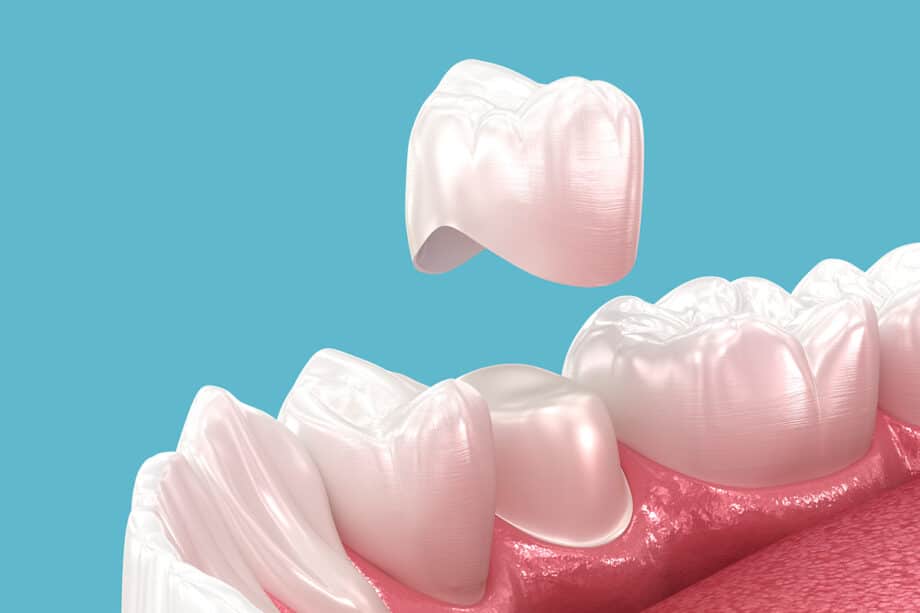
When a tooth needs more support than a filling can provide, a dental crown is often the next step. We use crowns to help protect weak teeth, restore broken teeth, and improve how a tooth looks and works. If you have heard about newer technology, you may wonder how same-day crowns compare with traditional crowns and whether one option stands out as the better choice.
We want to make that decision easier to understand. In this article, we explain how each type of crown works, what the treatment process entails, and which factors may inform the right choice for your needs. We also cover timing, materials, and practical pros and cons so you can walk into your visit with clear expectations.
How Same-Day Crowns and Traditional Crowns Are Made
Both same-day crowns and traditional crowns serve the same basic purpose: they cover and protect a damaged tooth. Dentists often recommend crowns after large cavities, root canal treatment, cracked teeth, or heavy wear. Both options require us to shape the tooth so that the crown fits securely and feels natural in your bite.
The biggest difference lies in how we design and fabricate the crown. Traditional crowns usually involve taking impressions, placing a temporary crown, and sending the case to a dental lab. The lab then makes the final crown, often from porcelain, ceramic, metal, or a combination of materials. You return for a second visit so we can remove the temporary and cement the final crown.
With same-day crowns, we use in-office digital technology to scan the tooth, design the restoration, and mill the crown in many cases during the same appointment. That process removes the need for a physical impression and a separate lab turnaround for many patients.
Key Process Differences at a Glance
- Traditional crowns
- Usually takes two visits
- Often requires a temporary crown
- Often involves a dental lab
- May use either digital or physical impressions
- Same-day crowns
- Often finish in one visit
- Usually, they do not require a temporary crown
- Use in-office digital scans and milling
- Reduce the wait between preparation and final placement
What the Patient Experience Looks Like
From a patient’s point of view, time and convenience often shape the conversation. Traditional crowns usually require more scheduling flexibility because the process involves at least two appointments. At the first visit, we numb the area, prepare the tooth, take impressions or scans, and place a temporary crown. At the second visit, we check the fit and bite of the permanent crown before we cement it in place.
Temporary crowns work well for many patients, but they can have a few drawbacks. They may feel less smooth or less strong than the final restoration, and patients need to avoid sticky or very hard foods until the permanent crown arrives. If a temporary crown loosens or comes off, we may need to repair or replace it before the second visit.
Same-day crowns streamline that timeline. We prepare the tooth, capture a digital image, design the crown on a computer, and mill it in the office. In many cases, we can place the final crown during that same appointment. That shorter process appeals to people with busy schedules, limited availability, or a desire to avoid wearing a temporary crown.
Why Some Patients Prefer Same-Day Treatment
- Fewer trips to the office
- No waiting period with a temporary crown in many cases
- Digital scans instead of traditional impression material
- Faster return to normal function
Materials, Fit, and Long-Term Performance
Material choice matters because it affects strength, appearance, and how the crown performs in different parts of the mouth. Same-day crowns often use ceramic materials that work well for many restorations, especially when appearance matters. Traditional crowns can also use ceramic, but lab fabrication may allow for a wider range of material options depending on the case, including layered porcelain or metal-based restorations when clinically appropriate.
Fit also plays a major role in success. A crown should closely match the prepared tooth, support your bite, and allow you to clean around the gumline. Strong results depend on several factors, including the condition of the tooth, the material selected, the design, and the method of bonding or cementation.
No crown lasts forever, but many crowns can last for years with good home care and regular dental visits. Brushing twice a day, flossing daily, and avoiding habits like chewing ice or using teeth as tools can help protect any type of crown. We also check crowns at routine visits for wear, margin changes, and bite issues before they become bigger problems.
Factors That May Influence Crown Longevity
- Your bite force and chewing habits
- Whether you grind or clench your teeth
- The location of the tooth
- The crown material
- Your home care routine
- Regular professional exams and cleanings
Which Option May Be Right for You
The best choice depends on your tooth, your bite, your goals, and the technology available in the office. Same-day crowns offer a clear advantage when convenience matters and when the tooth and material choice make in-office fabrication a strong fit. Many patients prefer completing treatment in a single visit and leaving with the final restoration already in place.
Traditional crowns still play an important role. Some cases benefit from lab support, specific materials, or layered esthetics that a laboratory can provide. Back teeth with heavy bite pressure, front teeth with detailed cosmetic needs, or complex cases may call for a treatment plan based on factors beyond speed alone.
We look at more than the calendar when we recommend a crown. We consider the amount of healthy tooth remaining, whether a root canal has been completed, how the tooth contacts the opposing teeth, and which result will serve you best over time. A quick treatment can be a great option, but the right treatment should also protect the tooth and support a stable bite.
Questions We Often Consider Before Recommending a Crown Type
- How much tooth structure remains?
- Does the tooth sit in a high-pressure chewing area?
- Does the patient need the restoration quickly?
- What material best fits the tooth’s function and appearance?
- Will the case benefit from in-office milling or lab fabrication?
Making the Right Choice for Your Smile
Both same-day crowns and traditional crowns can restore a damaged tooth and help you chew, speak, and smile with confidence. Same-day crowns often save time and simplify treatment. Traditional crowns may offer more flexibility in materials and laboratory customization for certain cases. Neither option wins in every situation, so the best choice depends on your oral health, cosmetic goals, and clinical needs.
We believe the strongest treatment decisions come from a clear exam and an honest conversation. When we evaluate the tooth, discuss your priorities, and explain your options, we can help you choose a crown that fits both your schedule and your long-term dental health.
Frequently Asked Questions About Same-Day Crowns
How long does a same-day crown appointment usually take?
Many same-day crown appointments take a few hours because we complete preparation, scanning, design, milling, and placement in one visit. Total time can vary based on the tooth, the bite, and whether additional treatment is needed.
Are same-day crowns as strong as traditional crowns?
Same-day crowns can be strong and durable for many patients when we choose the right case and material. Traditional crowns also offer durable results. Strength depends on the material, the tooth location, bite forces, and the overall treatment plan.
Do same-day crowns look natural?
Yes, same-day crowns can look very natural, especially when made from tooth-colored ceramic materials. We match the crown to the surrounding teeth as closely as possible and adjust the shape and bite before final placement.
Will insurance cover same-day crowns?
Many dental insurance plans cover crowns when medically necessary, but coverage varies by plan and benefits. Insurance usually focuses more on the need for the crown than on whether it was made in one or two visits.
Do same-day crowns require special care?
Same-day crowns do not usually require special care beyond good oral hygiene and regular dental visits. We recommend brushing twice a day, flossing daily, and avoiding habits that can damage natural teeth or restorations, such as chewing ice or biting hard objects.
We serve patients and families in Suwanee with preventive, restorative, and cosmetic dental care designed to support healthy smiles at every stage of life. Our team believes in clear guidance, comfortable care, and treatment options that fit real needs. To learn more or schedule a visit, reach out to us.