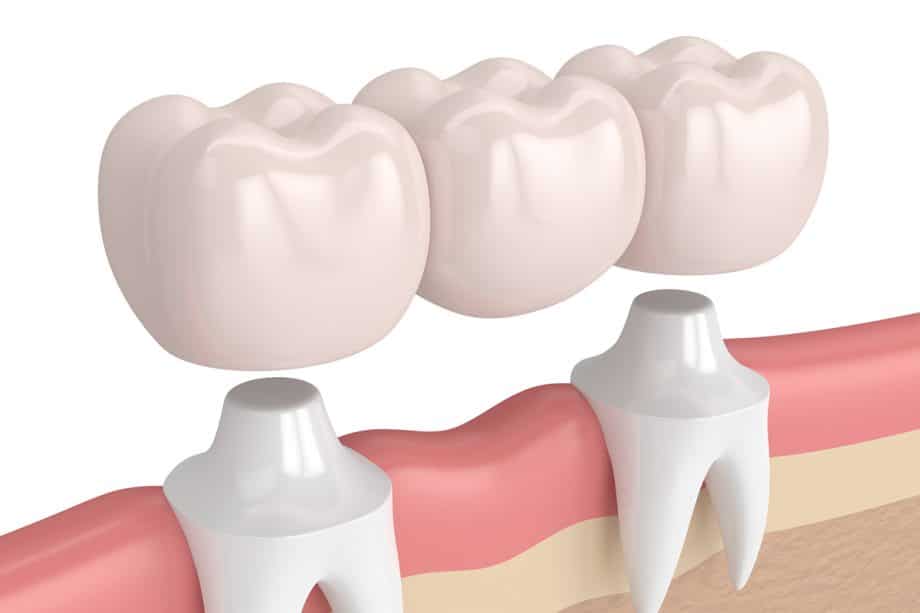
We rely on our teeth every day to eat, speak, and smile with confidence. Dental bridges help restore these functions when natural teeth go missing. While you can usually count on dental bridges to last for years, you will eventually need a replacement. Recognizing when your bridge reaches the end of its lifespan helps you avoid discomfort and prevent damage to your remaining natural teeth. Many patients ask how long a bridge will last. While the range is typically five to fifteen years, your daily care and habits determine its longevity.
You keep your oral health in top condition when you remain alert to changes in your dental work. Dental issues often develop gradually and can go unnoticed until they worsen. If you notice specific changes in how your bridge feels or looks, you can seek timely care. We want to help you spot these warning signs early so you can protect your smile’s function and beauty.
Physical Changes to the Bridge or Teeth
You should watch for visible or physical changes to the bridge. A dental bridge uses crowns to anchor onto abutment teeth (the natural teeth that support the bridge) and pontics (the artificial teeth that fill gaps). Over time, the bridge materials can develop wear and tear. You might spot chips, cracks, or fractures on the porcelain. These problems not only change the appearance of your smile but also weaken the bridge’s structure. If you leave a cracked bridge in place, it can break under the pressure of chewing.
Look for any changes in the bridge's stability or fit. You should feel the bridge stay secure and immobile. If you sense movement when you touch the bridge with your tongue or finger, the cement may have loosened, or the supporting teeth might be at risk. Loose dental work creates openings where bacteria can reach the supporting teeth and cause decay.
Gum Recession and Tooth Sensitivity
Watch your gum line for changes as well. Your gums should rest against the base of the bridge. If you notice metal edges becoming visible or your gums pulling away, you should schedule a dental visit. Gum recession exposes the roots of the abutment teeth and can cause sensitivity to hot or cold foods.
- Cracks or chips: Noticeable damage on the porcelain surface.
- Looseness: The bridge shifts during chewing or speaking.
- Gum recession: Gaps appear between the bridge and your gum line.
- Wear spots: Flat or rough areas form on the surfaces you use for biting or chewing.
Pain and Discomfort
Pain alerts you to a problem with your oral health. Dental bridges should not cause discomfort when you eat or speak; persistent pain always signals an issue. You may notice a dull ache in your jawbone or sharp pains when you bite down. Often, these signs indicate that decay has developed beneath the crowns that support your bridge. Even though you cannot see the natural tooth under the bridge, cavities can form along the gum line or under the crown, causing nerve irritation.
Bite misalignment can also cause real discomfort. If your bridge shifts a little or wears unevenly, your upper and lower teeth will not meet correctly. This imbalance puts excessive stress on your jaw joint (TMJ) and the surrounding muscles. You could wake up with headaches, jaw soreness, or facial pain. If you experience these symptoms, do not ignore them. Bite issues can make your other teeth wear down faster.
Underlying Tooth Decay
When decay reaches the teeth that support your bridge, it weakens their foundation. A bridge needs strong abutment teeth to stay in place. Cavities or gum disease that affects these teeth will make it hard for your bridge to remain secure. Pain in a tooth that anchors the bridge usually indicates more advanced decay, possibly requiring root canal therapy or, in severe cases, extraction. You need to replace the bridge to keep your mouth healthy.
Difficulty Chewing and Speaking
A properly fitted dental bridge allows you to chew and speak as you would with natural teeth. If the bridge begins to fail, chewing and even speaking may become challenging. You may start chewing on one side only to avoid putting pressure on the bridge. Over time, this pattern can strain your jaw muscles and unevenly wear down your other teeth. Hesitation to chew harder foods may also indicate that your bridge lost its stability.
You might spot speech changes, too. Your tongue needs the support of your teeth to make clear sounds. When the bridge shifts or becomes loose, you may develop a slight lisp or have trouble pronouncing certain words. If food consistently gets stuck underneath or around the bridge, the fit has changed. The space between the pontic and your gum tissue should allow you to clean, but should not trap food. Food that gets caught around your bridge can harbor bacteria, leading to bad breath and further tooth decay.
Aesthetic Concerns
A healthy, attractive smile supports your confidence. If your dental bridge begins to look unnatural, your self-esteem can suffer. Dental technology has improved over the years, but older bridges often appear opaque or mismatched compared to modern ceramics. Natural teeth can change color over time due to staining or age, while bridges keep their original color. This difference often draws attention to the dental work. If you feel self-conscious about your smile because your bridge appears gray, yellow, or dull, we can explore replacement bridges that match your natural tooth shade.
Sometimes, porcelain-fused-to-metal bridges reveal a dark line along the gum. This dark line shows up when gum recession exposes the metal framework or when the porcelain becomes thin. Cosmetic concerns do not always mean the bridge fails functionally, but many patients want to upgrade to all-ceramic bridges for a seamless look. The cosmetic side of dentistry is just as valuable as the functional side.
Modernizing Your Smile
Modern materials let us create bridges that look and feel like natural teeth. If you have an older bridge that appears evident in photos or in person, an upgrade can restore your smile and your confidence.
- Color mismatch: The bridge no longer blends with your natural teeth.
- Dark lines: You see metal edges along the gum line.
- Staining: The bridge collects stains from food and drinks.
- Shape issues: Over time, wear and tear change the shape of your replacement teeth.
Restoring Your Oral Health
When you replace a worn dental bridge, you do much more than improve looks or comfort. You also protect your oral health. Failing or loose bridges can threaten the structure of your supporting teeth. If those teeth cannot support a new bridge because of damage, you may need to consider solutions like dental implants or partial dentures instead. Early action preserves as much of your natural tooth structure as possible.
Our team begins the process with a thorough checkup. We take digital X-rays to review the roots and bone condition beneath the bridge. If your supporting teeth remain healthy, we gently remove the old bridge, clean and shape your abutment teeth, and take impressions for a perfect fit. We make sure your new bridge fits properly, corrects any bite issues, and seals off areas that could harbor bacteria.
If your case requires more extensive care, we may suggest a comprehensive approach to restorative dentistry. Our goal is always the same—make your bite work in harmony, whether you need a simple replacement or a more involved treatment. We want every patient to have a healthy, comfortable, and confident smile.
Frequently Asked Questions About Restorative Dentistry
How long does it take to replace a dental bridge?
Most patients complete the bridge replacement process in two appointments over a few weeks. At your first visit, we remove the old bridge and prepare the supporting teeth by removing any decay or old cement. We also take exact scans for the new bridge. Before you leave, you receive a temporary bridge to protect your teeth and preserve your smile. Usually, two weeks later, you return to have the permanent bridge fitted and bonded. We always make sure the fit feels and looks just right before final placement.
Will replacing a dental bridge hurt?
We focus on keeping you comfortable every step of the way. Local anesthesia gently numbs the area, so you stay pain-free while we remove and prepare your teeth. You may feel mild sensitivity or gum soreness after the procedure, but most patients find these symptoms last only a few days and respond well to over-the-counter pain medicine. Many patients report relief and improved comfort after replacing a loose or bothersome bridge.
At Suwanee Family Dentistry, we provide compassionate, high-quality dental care for families in our community. We strive to create a comfortable environment where you can receive the restorative treatments you need to maintain a healthy smile. If you suspect your dental bridge needs attention, please visit our website to contact us and schedule an appointment.